Beyond Policy: How Memory Care Teams Can Better Support Residents with Dementia
study examined by McKnight's Senior Living is asking a question we hear from families and frontline staff constantly: what do senior living providers actually need to improve dementia care?
It is the right question to be asking, and one worth sitting with, because the answers tend to live in the small, daily moments of care more than in any single policy revision.
Where the gaps usually show up
In our work alongside memory care teams, the issues this kind of study tends to surface are not exotic. They are the familiar friction points: care plans written once and rarely revisited, activity calendars built around the building's schedule rather than the resident's rhythm, and behavioral expressions met with redirection instead of curiosity about what might be underneath.
When a resident refuses bathing, pulls at clothing, or becomes distressed in the late afternoon, the response often defaults to managing the behavior in the moment. What providers are being pushed toward, and what the research is reinforcing, is a slower read of the sensory baseline, the environmental triggers, and the unmet need driving the response. That is the shift the field is being asked to make, and it is not a small one.
What you can do this week
You do not need to wait for a study to translate into new programs before you start asking better questions. Begin with one resident, or one difficult moment. When you see a behavioral expression, pause long enough to ask three things before you intervene: What changed in the environment? What shifted in the routine? What might this person be trying to communicate?
Bring those answers to the next care plan meeting. Ask how the plan accounts for sensory triggers, not just safety risks. Ask how often it is reviewed and who has the authority to adjust it on a hard day. A plan that lives in a binder and only changes after a fall or incident is not a care plan. It is documentation.
A wider view of the field
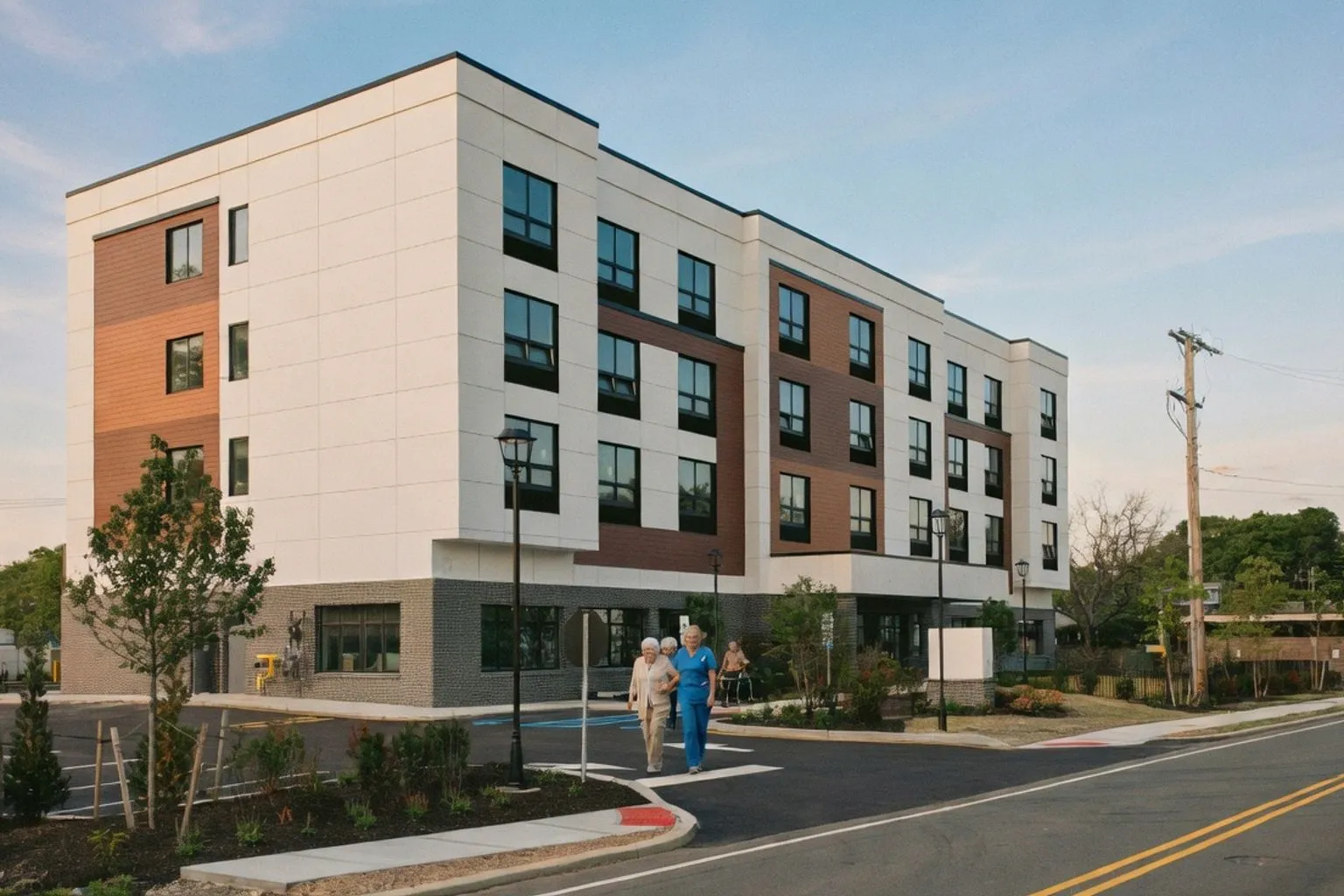
The memory care landscape is also expanding in ways worth paying attention to. TAPinto recently reported on Vision Riverside opening an assisted living and memory care community in Old Bridge, New Jersey, built around culturally connected senior living. New communities bring fresh questions about staffing ratios, training depth, and how truly individualized the dementia programming actually is.
When you tour any community, ask to see a behavior tracking sheet, not just a marketing brochure. Ask who completes dementia-specific training and how often it is refreshed. Ask the team, in their own words, how they support a resident through a sundowning episode.
The work ahead is not about discovering new therapies. It is about doing the ordinary parts of dementia care with more precision, more curiosity, and more respect for the person in front of us. That is the standard residents deserve, and the one we should be measuring ourselves against.