Integrating Caregiver Mental Health into Post-Stroke Rehabilitation Protocols
A clinical review indexed by PubMed on September 8 reframes the post-stroke family caregiver as a measured component of the rehabilitation episode, not an adjunct to discharge.
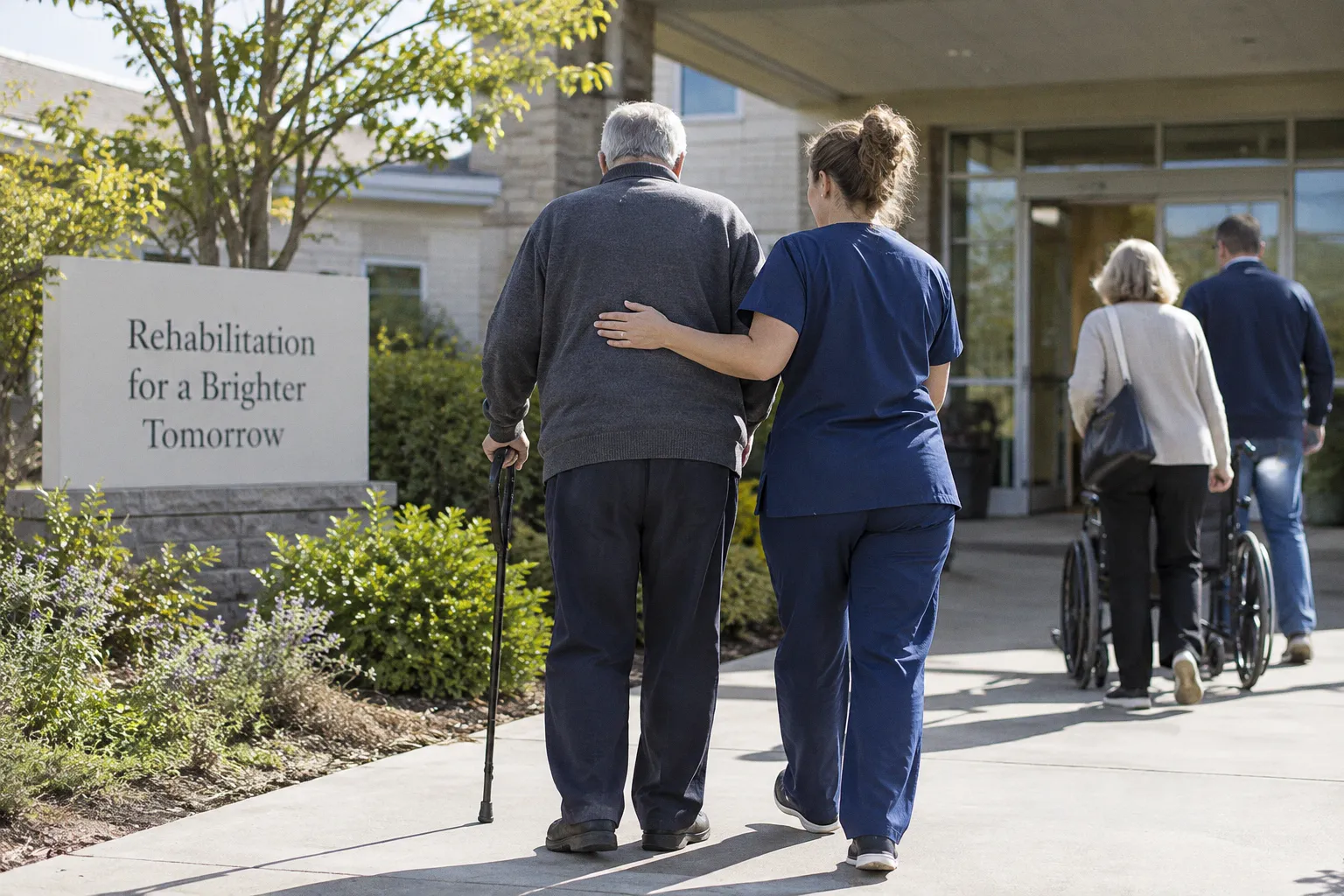
Published in Disability and Rehabilitation, the paper applies person- and family-centred care frameworks to psychological distress among caregivers during the transition from acute care to home or facility-based recovery. For skilled nursing facilities and rehabilitation providers, the framing elevates a previously soft outcome into a measurable component of the rehabilitation episode.
What the Review Establishes
The indexed abstract identifies person- and family-centred care as the framework for mitigating caregiver psychological distress after stroke. The implication is administrative before it is clinical: any rehabilitation protocol that treats the caregiver as outside the measured episode is, under this lens, structurally incomplete. Facilities that document only patient-facing outcomes will record a partial picture of the rehabilitation stay, and that partial record becomes the substrate external reviewers operate on.
The framework also recasts the discharge handoff. Person- and family-centred rehabilitation positions it as a structured handover in which the caregiver is assessed, educated, and followed up against defined competencies, rather than as a single terminal event. That shift does not change the discharge date, but it changes what the facility must demonstrate it did between admission and discharge.
Adjacent Signals in the Same Window
Three items crossed the desk within days of the review and reinforce the broader picture for post-acute operators:
- Bioengineer.org is running a piece on intensive care survivors facing long-term disability as evidence on rehabilitation falls short. The framing matters because it puts the rehabilitation evidence base itself under audit — a parallel signal that post-acute protocols are being weighed against outcomes they have not historically been measured against.
- 36 Kr reports on Yide Health's push to extend AI-supported cardiac rehabilitation across inpatient and outpatient settings, with insurance reimbursement pathways built into the model. The signal here is structural: rehabilitation is being productised against payer logic, not only clinical logic.
- Britannica refreshed its Medicare and Medicaid overview on September 8, a reference anchor for any facility re-checking coverage and eligibility assumptions for the post-stroke population it serves.
What to Verify at the Facility Level
The review is clinical in origin, but its operational weight falls on documentation and assessment infrastructure. Administrators should confirm whether existing person-centred protocols explicitly name the caregiver as a measured component of the rehabilitation episode, and whether assessment, structured education, and post-discharge follow-up are recorded with enough specificity to withstand external review. Where that record is thin, the facility carries both survey exposure and readmission risk without a defensible counter. The bottom line is straightforward: under this framework, an undocumented caregiver is an unmeasured clinical variable, and unmeasured variables do not survive audits.
Fresh on this
 Solving the Elder Care Staffing Crisis: Beyond Managing Deficits
 Federal Funding Boosts Rural Vermont Nursing Home Infrastructure and Staffing
 Newfoundland Long-Term Care System Faces Scrutiny Over Safety and Oversight Failures
 New CMS Quality Standards Force Skilled Nursing Facilities to Tighten Operational Oversight