New MHRA Safety Mandate: Preventing Fatalities During Patient Hoist and Sling Transfers
The UK's Medicines and Healthcare products Regulatory Agency has logged 22 fatalities tied to patient hoists and slings over the past decade — roughly two deaths per year since 2015 — and is now…
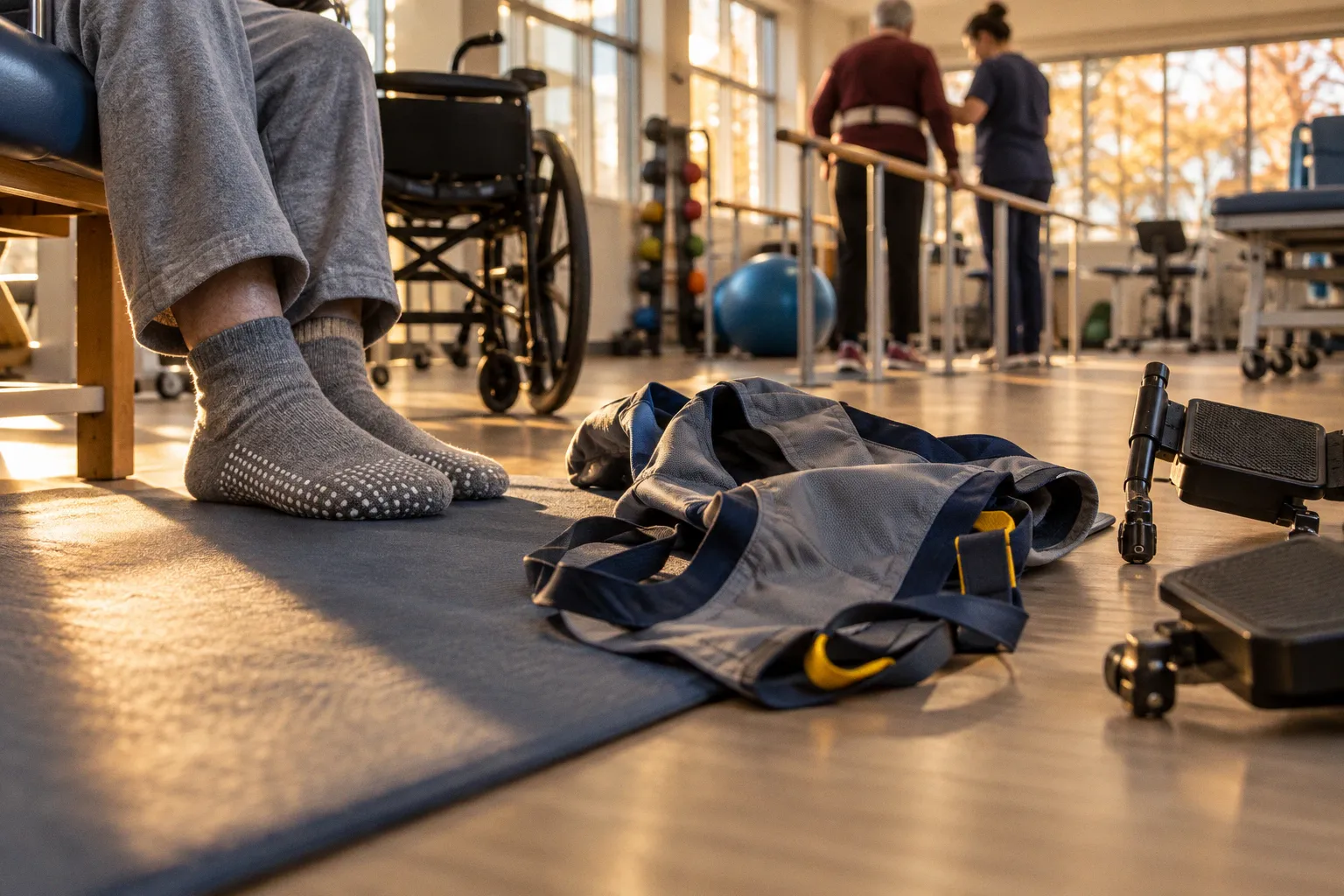
The UK's Medicines and Healthcare products Regulatory Agency has logged 22 fatalities tied to patient hoists and slings over the past decade — roughly two deaths per year since 2015 — and is now ordering care homes, nursing facilities, and community providers to overhaul transfer equipment protocols. The National Patient Safety Alert, designated NatPSA/2026/005/MHRA, applies to every manufacturer and model on the market. No vendor is exempt.
Scope: Every Setting, Every Device
MHRA's surveillance data shows fatal incidents during transfers and repositioning have occurred in acute hospitals, nursing homes, and patients' own residences. The recurring failure points are sling attachment errors, incompatible hoist-sling pairings, and lapsed maintenance. Because the alert names no specific manufacturer, facilities cannot point to a recall notice or service bulletin and consider the matter closed. Accountability sits with the operator — the registered manager or designated responsible individual.
Five Required Actions
MHRA's alert sets out five non-optional steps, each auditable during any survey or inspection:
1. Standardised pre-use checks with a documented pause-and-verify step after initial load take-up — but before the patient is fully lifted — confirming all sling attachment points are secure.
2. A documented compatibility assessment for every hoist-sling combination currently in service, supported by manufacturer instructions for use. Where compatibility cannot be confirmed, a qualified person must complete a risk assessment with technical evidence. A local register of approved combinations must be accessible to staff.
3. A complete medical device inventory covering all patient hoists and slings — including units issued to community-dwelling patients — with maintenance records, LOLER examination dates, and replacement timelines.
4. Removal from service of any hoist with overdue examinations or unresolved defects. Slings must be checked regularly against manufacturer instructions.
5. Role-specific staff training, refreshed on a recurring cycle, covering pre-use checks, hoist-sling compatibility, correct fitting, identification of unsafe states, and escalation procedures. Competency records must be maintained.
Each action requires an executive-level owner — or, in organisations without executive boards, the registered manager or equivalent.
Fresh on this
 Bridging the Critical Gaps in Patient Transitions Between Hospitals and Nursing Facilities
 Medicare ACCESS Model Shifts Chronic Care Reimbursement Toward Clinical Outcomes
 Analyzing CareTrust REIT’s Strategic $400M Skilled Nursing Portfolio Expansion
 Why Fragmented SNP Reimbursement Models Are Compromising Nursing Home Care Quality