Bridging the Critical Gaps in Patient Transitions Between Hospitals and Nursing Facilities
This is the operating reality ECRI's Shannon Kooker, MSN, RN, Vice President of Clinical Excellence and Patient Safety, set out in a recent analysis of care transitions.
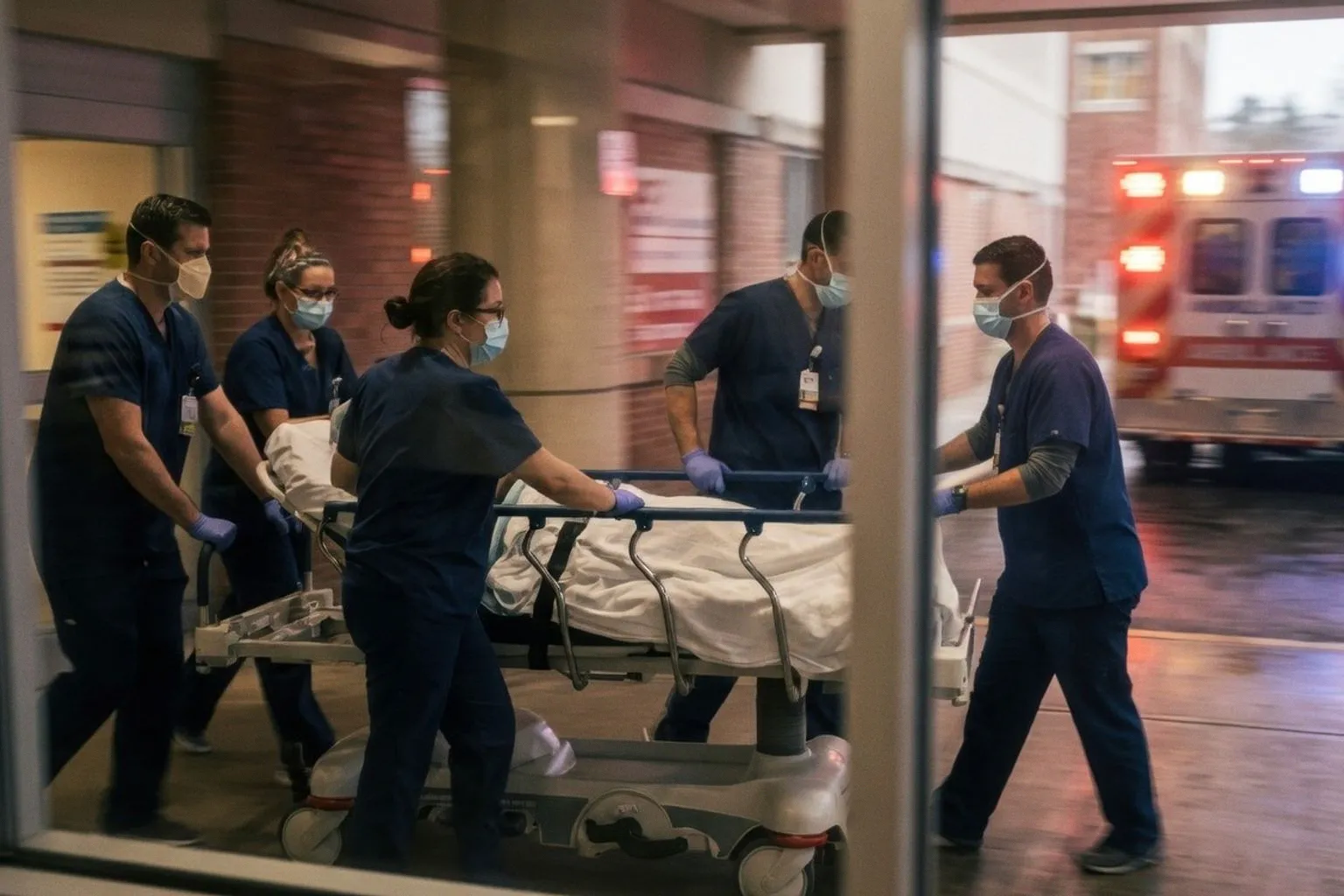
A heart failure patient leaves the hospital carrying eleven prescriptions, two of which duplicate the same therapeutic class. No single clinician owns what happens between discharge and the next setting. For skilled nursing facilities absorbing that transfer, the liability moves along with the resident.
The failure mode is structural, not anecdotal — and it sits squarely at the seam between acute and post-acute care, where most post-acute harm begins.
The audit gap nobody owns
Hospital discharge handoffs are treated as documentation tasks, not clinical ones. The paperwork gets audited. The handoff itself does not. When a resident arrives from an acute setting carrying an unreconciled medication list, errors propagate downstream before any receiving clinician catches the discrepancy — and harm, when it surfaces, surfaces in the SNF's incident log, not the hospital's.
Medication reconciliation lives precisely at this seam: at admission, during inpatient care, and at discharge. When the process functions, the list is accurate and dosing aligns with the resident's clinical picture. When it fails, polypharmacy errors travel into the skilled nursing facility, where acuity levels are already elevated and catch-up reconciliation runs against staffing ratios that were not budgeted for the rework.
The interoperability deficit
The breakdown is partly technical. Hospital, pharmacy, and outpatient electronic systems often cannot communicate. No single source of truth follows the resident across the transition. SNFs inherit what arrives on the discharge paperwork — typically a printed folder and a follow-up appointment card — with no real-time access to the originating prescriber's active orders, no mechanism to flag duplicate therapies before the first dose, and no audit trail when clarification calls go unreturned.
For residents with chronic noncommunicable diseases — cardiovascular conditions, diabetes, chronic respiratory disease — the risk multiplies with each handoff. These patients transition frequently across hospitals, clinics, pharmacies, and homes. Each move is an inflection point. Errors compound. Diagnoses delay. Self-management instructions vanish into unread after-visit summaries, leaving SNF staff to reconstruct the regimen without context, often days into the stay.
What SNFs should check this week
Three items belong on next Monday's clinical leadership agenda.
Audit admission medication reconciliation against arriving discharge summaries. Flag any resident whose pre-admission list differs materially from the hospital's transfer record. That gap is the leading indicator of transition-related incidents, and it is measurable today.
Pressure referral partners for structured discharge data. Hospitals that cannot produce a transferable, codified medication record transfer a liability the SNF absorbs without compensation. Build interoperability requirements into transfer agreements before the next survey cycle, while contracts are open.
Classify the discharge handoff as a clinical event in your quality program, not a clerical intake step. Track the time-to-clarification metric when duplicate or contraindicated therapies surface at admission. If your nursing staff cannot reach the originating prescriber before administration, the compliance risk profile has already shifted.
The handoff between settings is not a moment the system currently detects. That absence is itself the deficiency — and it is the one SNFs can begin to correct unilaterally, regardless of what the upstream hospital chooses to document.