Receiving Long-Term Nursing Home Care Benefits at Home
The New York Times has published a report examining how retirement-home care benefits may be delivered in a person’s own home.
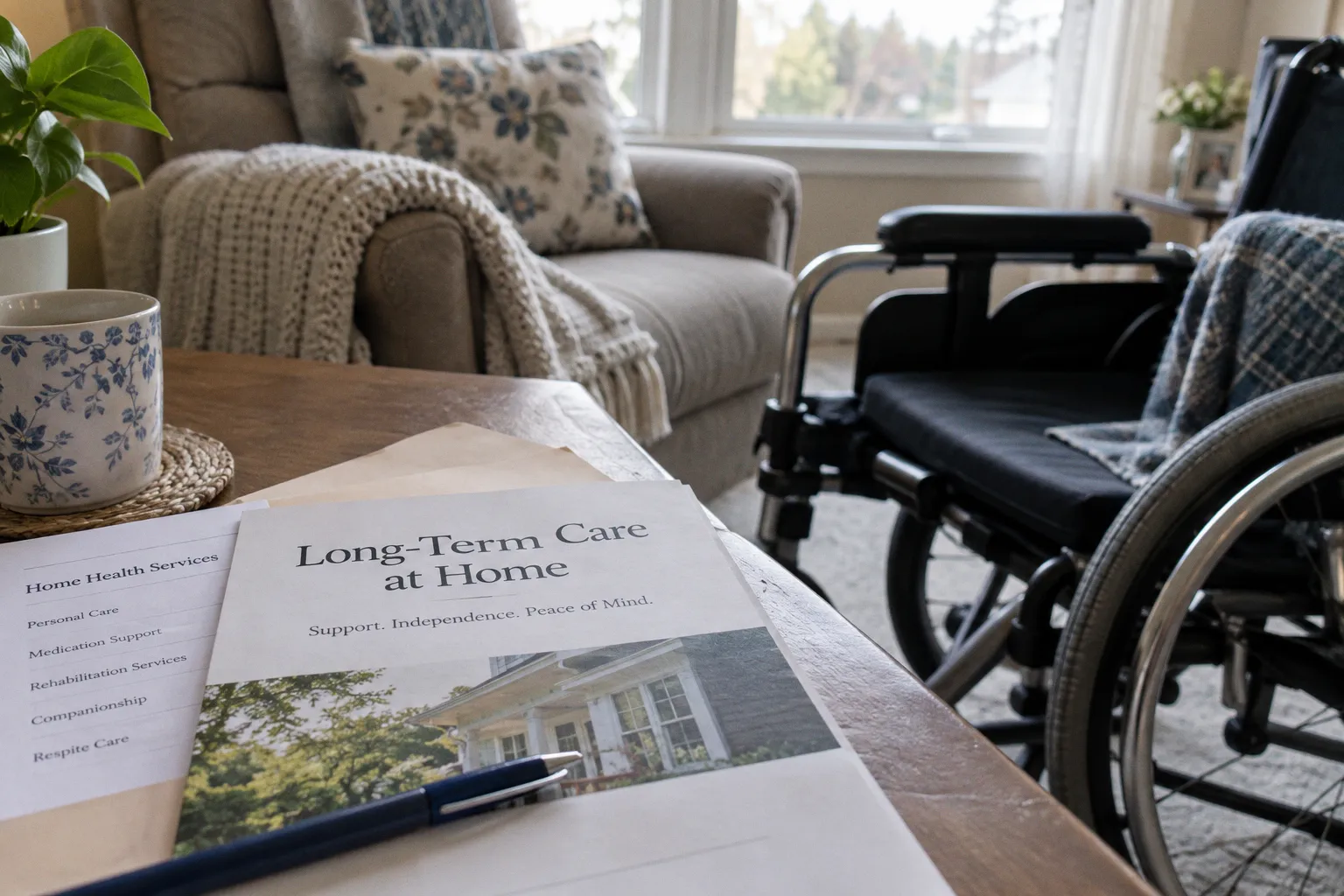
The issue is operationally significant because payment sources do not map cleanly onto the full cost of long-term care. For families and providers, the central question is not simply whether benefits exist, but which type of care a program will reimburse—and for how long.
The reimbursement gap is the key constraint
According to Diario AS, nearly 76 million Americans receive some form of Social Security benefit. The article reports that the average Social Security retirement benefit in 2026 is $2,071. That payment can be used toward nursing-home expenses, but it may not cover the full monthly cost for an individual resident.
That distinction matters for planning. Social Security is income, not a defined long-term-care benefit. The amount available for care depends on the beneficiary’s specific payment and competing living expenses. A facility assessment based on expected Social Security income alone would therefore be incomplete.
The practical review point is straightforward: families should separate the resident’s monthly income from the payer responsible for skilled or custodial services. Treating the two as interchangeable creates an immediate funding risk.
Short-term skilled care is not long-term custodial coverage
The same report states that Medicare, Medigap plans, and Medicare Advantage plans may cover short-term stays in skilled nursing facilities when specific requirements are met. It also states that these plans do not cover long-term stays or custodial nursing-home care.
That is the dividing line most likely to affect discharge planning and household budgets. A short-term skilled benefit operates under eligibility requirements and a defined care purpose. It should not be treated as a standing payment source for an extended nursing-home placement.
The available reporting does not establish the details of the New York Times home-care model, including its eligibility rules, service limits, or reimbursement structure. Those terms would need to be verified before a family assumes that care received at home will be financed in the same way as facility-based services.
Coverage instability adds a second risk
CalMatters reports that California regulators took enforcement action against an insurer after it moved to terminate assisted-living benefits for thousands of low-income seniors and people with dementia. Long-term-care advocates warned that an abrupt loss of coverage could push affected residents toward acute-care hospitals or skilled nursing facilities.
That development illustrates a broader operational problem: coverage decisions can alter the care setting. When an assisted-living benefit ends, the replacement is not necessarily home care. The reported alternatives include higher-acuity institutional settings, with different staffing, reimbursement, and compliance requirements.
The bottom line is financial and administrative. Social Security may contribute to nursing-home costs, but it does not guarantee that those costs will be met. Medicare-related plans may support qualifying short-term skilled care, but not long-term custodial stays. Any plan for receiving facility-like support at home should therefore be checked against the exact payer rules, duration limits, and service definitions before care begins.
Fresh on this
 Why Structured Exercise Routines Are Essential for Senior Care Facilities
 MedPAC Convenes September 2026 Public Meeting Addressing Post-Acute and Skilled Nursing Payments
 Does Medicare pay for long-term care? Many people get it wrong — and it may cost them later
 Monroe Community Hospital Launches Friendship Place for Specialized Memory Care