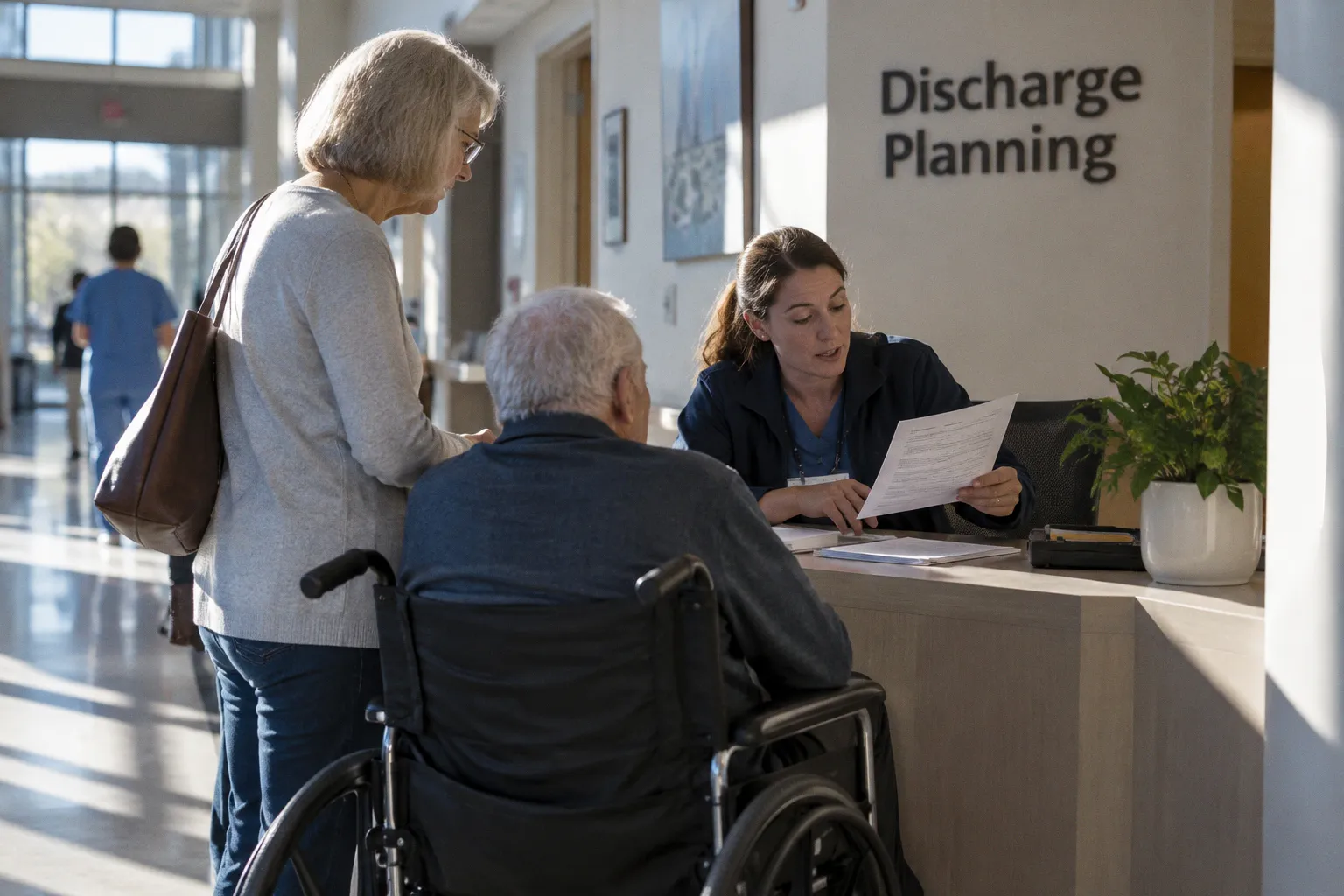
Monroe Community Hospital Launches Friendship Place for Specialized Memory Care
According to Monroe County, Monroe Community Hospital has opened Friendship Place, a renovated memory care neighborhood with 25 beds and 17,000 square feet dedicated to residents living with Alzheimer’s disease, dementia, and other cognitive impairments.
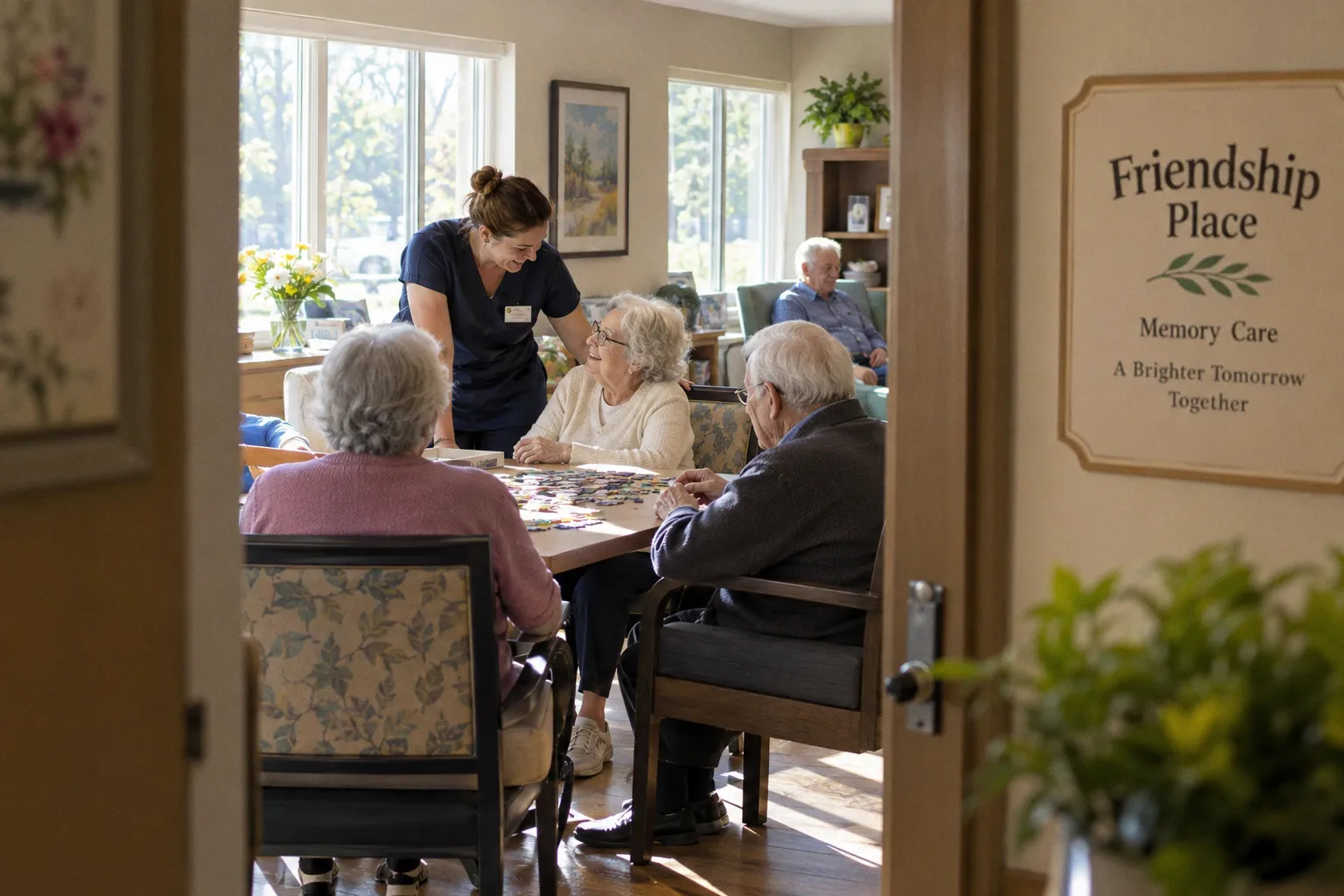
The project matters because its design is intended to support safety, independence, comfort, and dignity within a specialized long-term-care setting. For families evaluating memory care, however, the opening announcement is a starting point—not a substitute for checking day-to-day operations.
What Friendship Place is designed to provide
Friendship Place includes access to an enclosed patio and garden, allowing residents to spend time outdoors in a protected setting. Monroe County says the neighborhood was developed around specialized environments, evidence-based practices, and staff training intended to support person-centered care.
The project followed years of planning and collaboration. A grant from the Mother Cabrini Health Foundation enabled Monroe Community Hospital to work with internationally recognized dementia care experts. Their input informed both the physical design of the neighborhood and the specialized education provided to staff.
Those features are relevant to a practical question families often face: can the setting support a resident’s need for movement, routine, and sensory stability without relying only on restrictions? An enclosed outdoor area may be useful for supervised access to fresh air, but families should still ask how residents use it in practice, how access is supervised, and whether it is available throughout the day.
The announcement does not provide staffing ratios, admission criteria, care costs, inspection findings, or information about current bed availability. Those details remain essential before making a placement decision.
What families should verify during a visit
When visiting Friendship Place—or comparing it with another memory care unit—we recommend moving beyond the appearance of the neighborhood and asking staff to explain the care process in concrete terms.
Start with the resident’s behavioral expression. Ask how staff respond when a person becomes distressed, repeatedly seeks to leave, refuses care, or reacts negatively to noise and unfamiliar routines. The goal is to understand whether the team looks first for environmental triggers, unmet needs, pain, fatigue, or a change in the resident’s sensory baseline.
Then ask how the care plan is communicated across shifts. A well-designed space cannot compensate for inconsistent information between nursing assistants, nurses, rehabilitation professionals, and family members. Families should ask who updates the plan, how changes are documented, and when relatives are contacted about new behaviors or functional decline.
The announcement highlights specialized staff education, but it does not specify the training curriculum, frequency, or which roles receive it. Request those details directly. It is also reasonable to ask how the unit supports bathing, meals, medication administration, sleep routines, mobility, and transitions to medical appointments.
Finally, clarify the boundaries of the outdoor area. Ask whether residents can access the patio and garden independently or only with staff, how the hospital manages weather and fall risks, and whether the space is used for structured activities or informal time outside.
Why the opening is significant—and what remains unknown
Monroe Community Hospital is a county-owned health care facility offering long-term skilled nursing, short-term rehabilitation, hospice, memory care, and specialty care. The hospital has 566 licensed beds and traces its history to 1826, according to the county announcement. Friendship Place therefore expands a memory care offering within a larger organization that also provides other forms of post-acute and long-term care.
That broader setting may matter if a resident’s needs change over time, but the opening announcement does not establish how transfers between services work or whether residents can remain in the same neighborhood as their clinical needs evolve. Families should ask about those transitions before admission, particularly if the resident has complex medical conditions or may later require skilled nursing support.
The most responsible conclusion is measured: Friendship Place appears to have been intentionally designed around dementia-specific care, protected outdoor access, and staff preparation. The meaningful test will be whether those elements translate into consistent routines, responsive de-escalation, and respectful daily care. During a visit, listen not only to the promises made about the space, but also to how clearly staff can describe the individual care decisions that protect each resident’s dignity.