New AHCA/NCAL Strategy Targets Staffing Shortages to Stem Nursing Home Closures
AHCA/NCAL published workforce development and retention guidance this week, timed to National Workforce Development Month.
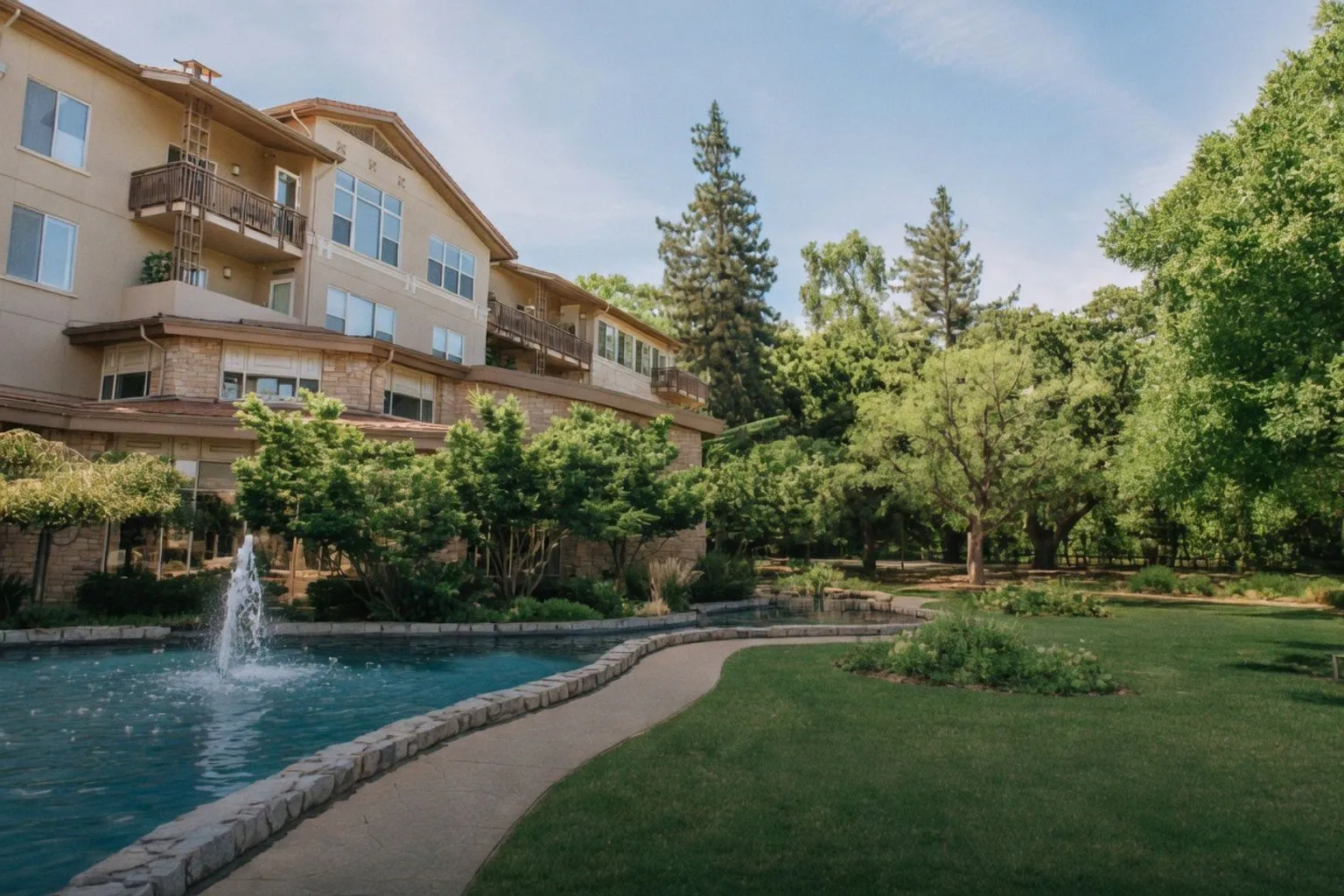
The association positioned the update against a contraction that has cost the sector more than 900 nursing homes between 2015 and 2025, according to CMS data referenced in industry coverage.
The guidance targets career pathways and staffing stability in skilled nursing — two pressure points that have accelerated closures and tightened bed availability. A 2024 AHCA report found 57% of nursing homes maintaining waitlists for new residents, with nearly half limiting admissions outright.
The Capacity Numbers Behind the Push
New York illustrates the trajectory. The state has recorded 24 nursing home closures since 2020, eliminating more than 3,000 licensed beds, per reporting in The New York Times. Nonprofit operator ArchCare alone has shed 269 usable beds over roughly 18 months — a 12% reduction. One Bronx facility saw its available bed count drop from 120 to 53, with further reductions planned.
Acuity is rising as the oldest baby boomers cross into their 80s, the threshold at which nursing home utilization climbs sharply. Workforce pipelines have not kept pace. Policy researchers cited in the coverage warn that proposed Medicaid reductions exceeding $900 billion could squeeze home- and community-based services alongside institutional care, leaving nursing homes to absorb demand they cannot currently staff. McKnight's Long-Term Care News separately notes that even where rural health investments have advanced for skilled nursing, plenty of funding gaps remain.
What the Guidance Outlines — and What It Doesn't
The AHCA/NCAL update focuses on strategic retention programs and career-pathway development within skilled nursing environments. Details on specific funding mechanisms or reimbursement thresholds tied to the initiative remain limited in the public-facing materials.
Adjacent clinical reporting from Neurology Today points to a separate operational lever: shingles vaccination has been linked to lower dementia risk in skilled-nursing patients, with caveats that complicate protocol adoption.
Fresh on this
 The Financial Reality Behind Dementia Villages and Rising Long-Term Care Costs
 How Senior Care Leaders Are Scaling AI and EHR Integration to Drive Operational Efficiency
 Navigating the Final MDS 3.0 RAI Manual Updates for SNF Quality Reporting
 How Medicaid Rules Dictate Personal Spending Money for Nursing Home Residents